
About Us
About Us
Tum-a-ini is the Swahili word for hope
Tum-a-ini is the Swahili word for hope
Research has shown that this is a critical element of physical and mental well-being. But having a goal or wish isn’t enough; you have to have reason to believe that you will succeed. Empowerment is a component of hope and results from feeling strong and capable, but to feel this requires good health. So a cycle develops, health allows hope and hope improves health. Together they can lead to a productive and satisfying life.
What We Do
>Campus Partnerships: We currently partner with ten undergraduate institutions to sponsor guest speakers, send students to global health conferences, and fund immersive fellowships in Peru and Rwanda. We aim to double our reach to 20 campuses over the next two years.
>Global & Local Impact: Our board members support affordable total joint replacements in low-income countries, assist a community health center in Uganda, and present an annual senior award at DePauw University.
>Future Vision: We hold an aspirational goal of founding a specialized medical school dedicated to global health—blending clinical care, population health, and the social determinants of health.
Join The Mission
The Tumaini Foundation for Global Health and Humanitarianism a dedicated nonprofit organization with a global health mission. Everyone can participate. Click the button below to donate now, or contact us about how you can participate.
Join The Mission
The Tumaini Foundation for Global Health and Humanitarianism a dedicated nonprofit organization with a global health mission. Everyone can participate. Click the button below to donate now, or contact us about how you can participate.

The Tremendous Need for Global Health
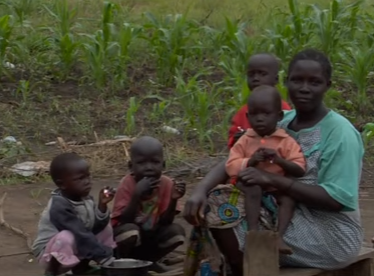
Unfortunately, a significant proportion of the world’s population is not healthy and this disparity is profound. For example in Kenya one out of every ten children die before their 5th birthday. Also this disparity is not limited to just low- and middle-resource countries but the disadvantaged worldwide.
As an example, an African-American man living in a high-crime American city can expect to live 21 fewer years than a woman of Asian descent in the United States. An Asian-American woman living in Bergen County, N.J. has an average life expectancy of 91 years while Native Americans in South Dakota have an average life expectancy of only 58 years.
Many are working to alleviate these health care disparities, be they in downtown Baltimore or the Kibera slum in Nairobi, Kenya. However, there is no medical school in the U.S. solely dedicated to global health. So a group of individuals joined together to incorporate a not-for-profit foundation, the Tumaini Global Health and Humanitarianism Foundation to promote this.
Year to Date Activities
 Professor Kenrad Nelson Memorial Lecture
  Tumaini Global Health Fellows Peru Immersion
  A Symposium for Faculty, Students and Partners in Public & Global Health